
Gym vs Swimming: What’s Better?
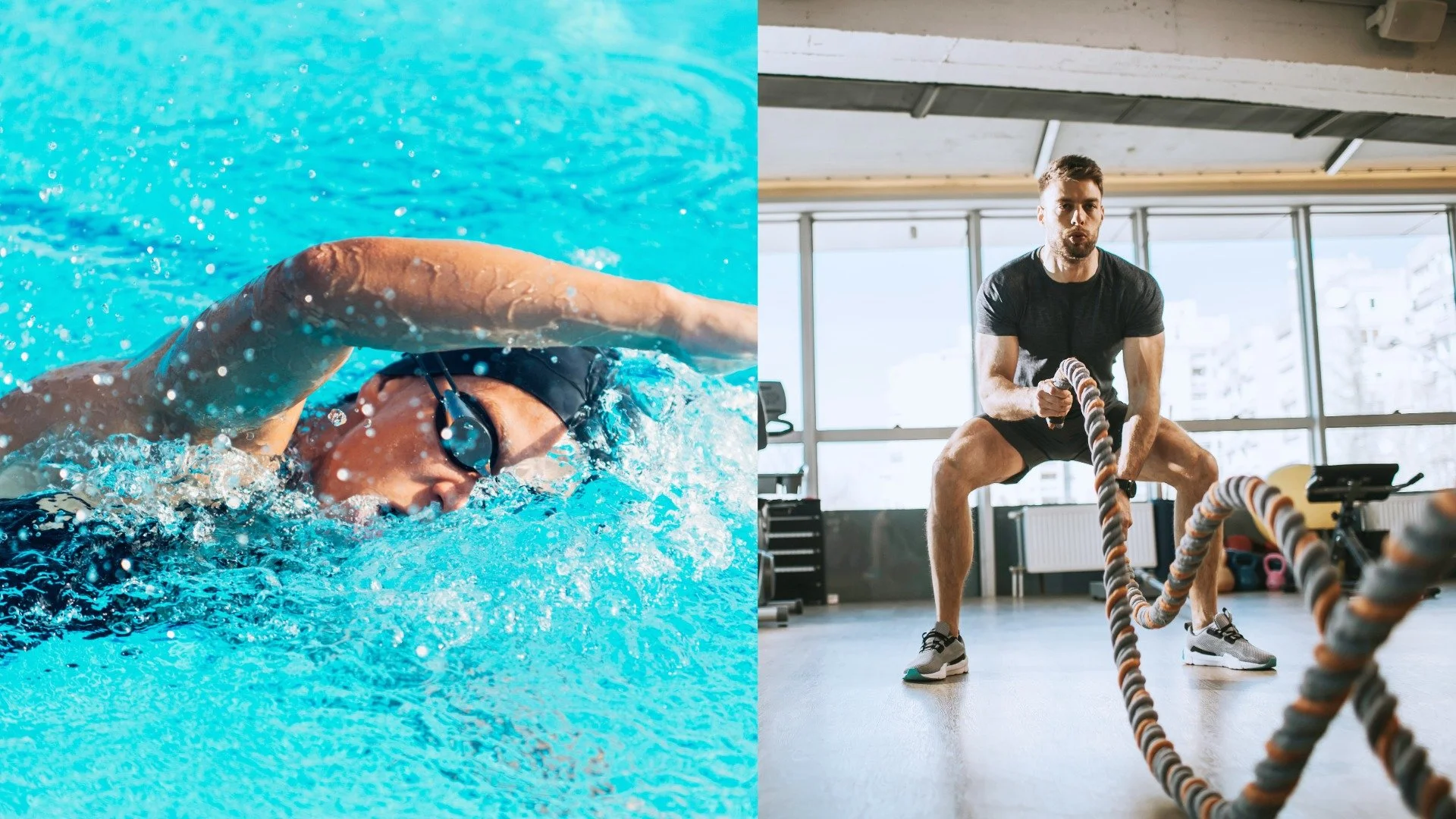
When it comes to improving your fitness, both gym training and swimming are excellent options. Each offers different benefits, and the best choice often depends on your goals, preferences and the type of exercise you enjoy most.
Our members have access to both gym facilities and swimming pools across our centres, which means you can combine the two for a well rounded fitness routine.
Here’s a closer look at how gym workouts and swimming compare.
The Benefits of Gym Training
Gym training is one of the most flexible ways to exercise because it allows you to tailor your workout to your specific goals.
Most gyms provide a range of equipment including cardio machines, resistance machines, free weights and functional training areas. This makes it much easier to target different muscle groups and adjust your training over time.
Some of the key benefits of gym training include:
Strength building
Weight training helps build muscle strength and improve overall body composition. Over time, increasing resistance can help muscles grow stronger and improve physical performance.
Variety of workouts
Gym training can include cardio, strength training, mobility work and circuit sessions. This variety helps keep workouts interesting and allows you to focus on different areas of fitness.
Progress tracking
Many gym exercises (such as EGYM) allow you to track your progress by increasing the weight, repetitions or workout duration. This can help keep motivation high as you see improvements over time.
Structured programmes
Gyms also make it easier to follow structured workout plans. Personal trainers and fitness instructors can help create programmes tailored to individual goals.
The Benefits of Swimming
Swimming is one of the most effective forms of full body exercise. Because water provides resistance, swimming works multiple muscle groups at the same time.
It’s also low impact, making it suitable for people of different ages and fitness levels.
Some key benefits of swimming include:
Full body exercise
Swimming engages the arms, legs, core and back. Each stroke works different muscle groups while also improving endurance.
Low impact on joints
Water supports your body weight, which reduces stress on joints. This makes swimming a good option for people recovering from injury or managing joint pain.
Cardiovascular fitness
Swimming improves heart and lung health by increasing endurance and stamina. Regular sessions can help boost overall cardiovascular fitness.
Suitable for all abilities
Swimming can be adapted to suit a wide range of abilities. Whether you prefer relaxed lengths, structured training or aqua classes, the pool offers a flexible way to stayactive.
Which Burns More Calories?
Both gym workouts and swimming can burn a significant number of calories, depending on the intensity of the session.
High intensity gym workout, such as circuit training or interval sessions, can burn calories quickly whil also building strength.
Swimming can also be an effective calorie burning activity, particularly when swimming continuous lengths or using more demanding strokes such as butterfly or front crawl.
Ultimately, the amount of calories burned will depend on factors such as intensity, duration and individual fitness level.
Which Is Better for Beginners?
Both gym training and swimming can work well for beginners.
Swimming can feel less intimidating for some people because it is low impact and easy to adjust to your own pace. It can also be a good starting point for those returning to exercise after a break.
The gym offers more structure and equipment, which can help people follow specific fitness goals. Beginners may benefit form guidance form instructors or personal trainers to learn correct techniques.
Combining Gym Training and Swimming
Rather than choosing one over the other, many people benefit from combining gym training and swimming as part of their routine.
Strength training in the gym can improve muscle strength and stability, while swimming can help build endurance and support recovery.
For example, a balanced routine might include:
Gym sessions focused on strength training
Swimming sessions for cardiovascular fitness
Recovery sessions such as sauna or gentle swimming
Combining different types of exercise can help improve overall fitness while reducing the risk of overuse injuries.
Finding What Works for You
The most important factor in any fitness routine is consistency. Choosing activities that you enjoy makes it far more likely that you’ll stick with them long term.
Whether you prefer training in the gym, swimming lengths in the pool, or mixing both throughout the week, we offer a range of options to help you stay active.
If you’re unsure where to start, speak to a member of our team at your local centre. They can help you explore the facilities and find activities that suit your fitness level and goals.