For most people, a visit to a leisure centre is simple. You arrive, check in, use the facilities, and leave. The experience is designed to feel straightforward, and that’s intentional.
What’s less visible is the amount of planning, coordination and ongoing work required to keep community leisure centres running safely, accessibly and consistently, day after day.
Understanding this helps explain why community leisure operates the way it does, and why it plays such an important role locally.
Leisure Centres Don’t “Just Open”
Unlike many commercial fitness spaces, community leisure centres support a wide range of services under one roof. Pools, gyms, group exercise, swimming lessons, sports halls, family sessions and community programmes often run alongside each other.
Each area comes with its own requirements:
staffing and qualifications
health and safety checks
maintenance and cleaning schedules
safeguarding procedures
accessibility considerations
Opening the doors isn’t a switch being flipped. It’s the result of multiple systems working together in the background.
Safety Is a Constant (Not a One Off)
Safety in community leisure is continuous. It doesn’t begin and end with training or signage.
Behind the scenes, this includes:
regular pool testing and monitoring
equipment inspections and servicing
lifeguard rotations and supervision planning
emergency procedures and drills
ongoing staff training and refreshers
These processes are largely invisible when they’re working properly, but they are fundamental to creating environments people can trust.
Staff Roles Go Far Beyond the Job Title
Frontline leisure staff often wear multiple hats in a single shift.
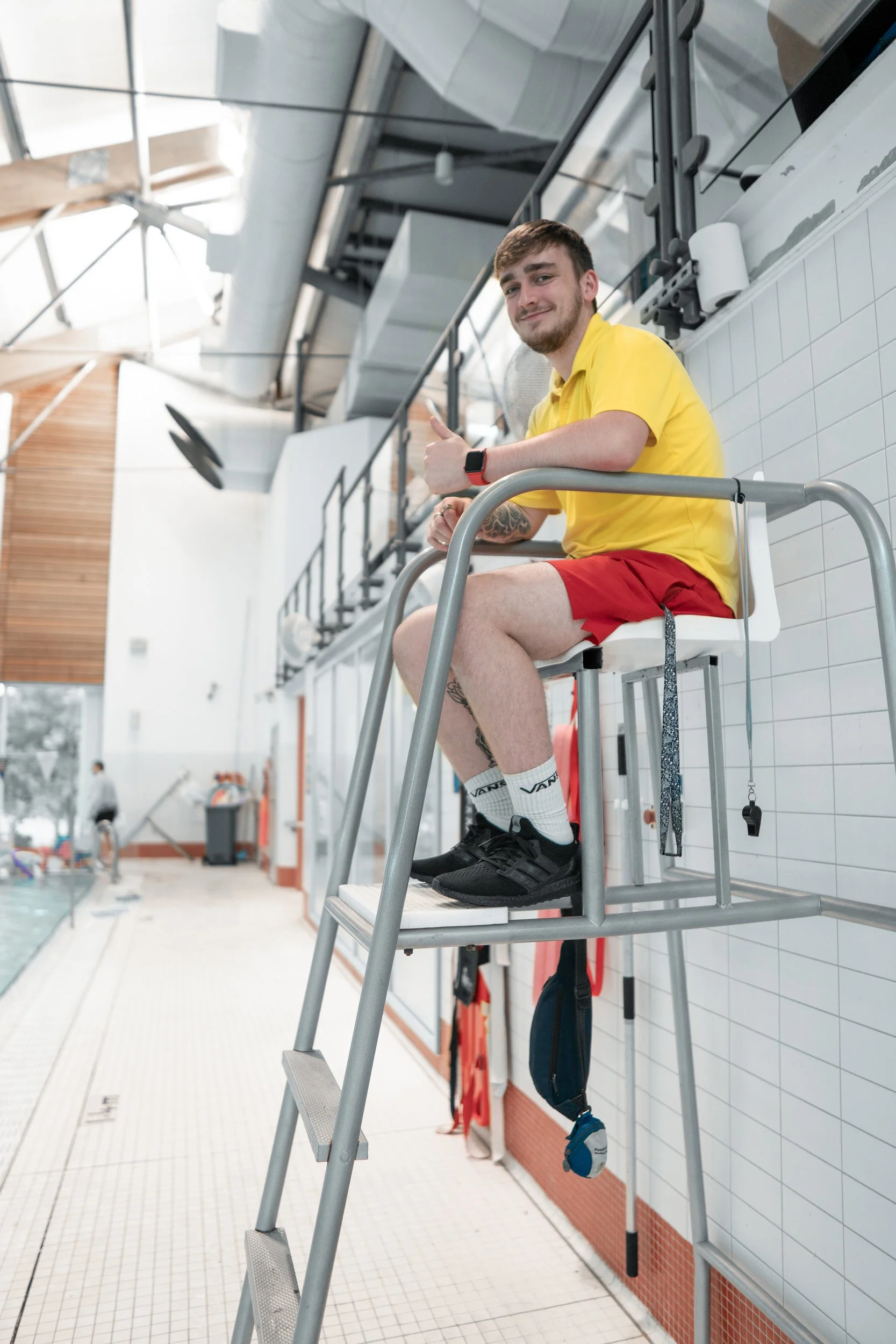
A lifeguard may also be:
supporting a nervous swimmer
answering questions from parents
monitoring changing room safety
responding to minor incidents
helping someone feel comfortable returning after a break
Reception teams manage bookings, queries, access needs and problem solving, often simultaneously. Instructors adapt sessions in real time based on who walks through the door.
This human element is central to the experience, even if it’s not always recognised.
Balancing Access With Demand
Community leisure centres aim to serve as many people as possible, across different ages, abilities and needs, within finite space and time.
This means constantly balancing:
casual use and structured sessions
lessons and public access
peak demand and quieter periods
fairness and flexibility
Programme planning isn’t about filling timetables. It’s about making sure access is shared and sustainable.
Why Changes Sometimes Happen
From timetable adjustments to maintenance closures, changes are sometimes unavoidable, and often misunderstood.
Most decisions are driven by:
safety requirements
staffing availability
facility upkeep
demand patterns
long term service quality
The goal is always continuity and reliability, even when short term disruption is necessary.
Community Leisure Is Designed for Everyone
Unlike specialist fitness spaces, community leisure centres are designed to be used by people at very different stages of life, often on the same day.
That includes:
children learning essential life skills
families using facilities together
adults rebuilding confidence
older users maintaining mobility and routine
Designing services that work across this spectrum is complex, but it’s also what makes community leisure unique.
Why This Matters
When leisure works well, it fades into the background. People focus on their swim, their workout or their class, not the systems supporting it.
But recognising the scale of work behind the scenes helps explain why community leisure matters, and why it deserves understanding, investment and trust.
At Rivers, this operational care underpins everything, making sure our facilities are safe, welcoming and reliable for the communities that use them every day.