
Finding Time To Be Active: Small Changes Can Make A Big Difference
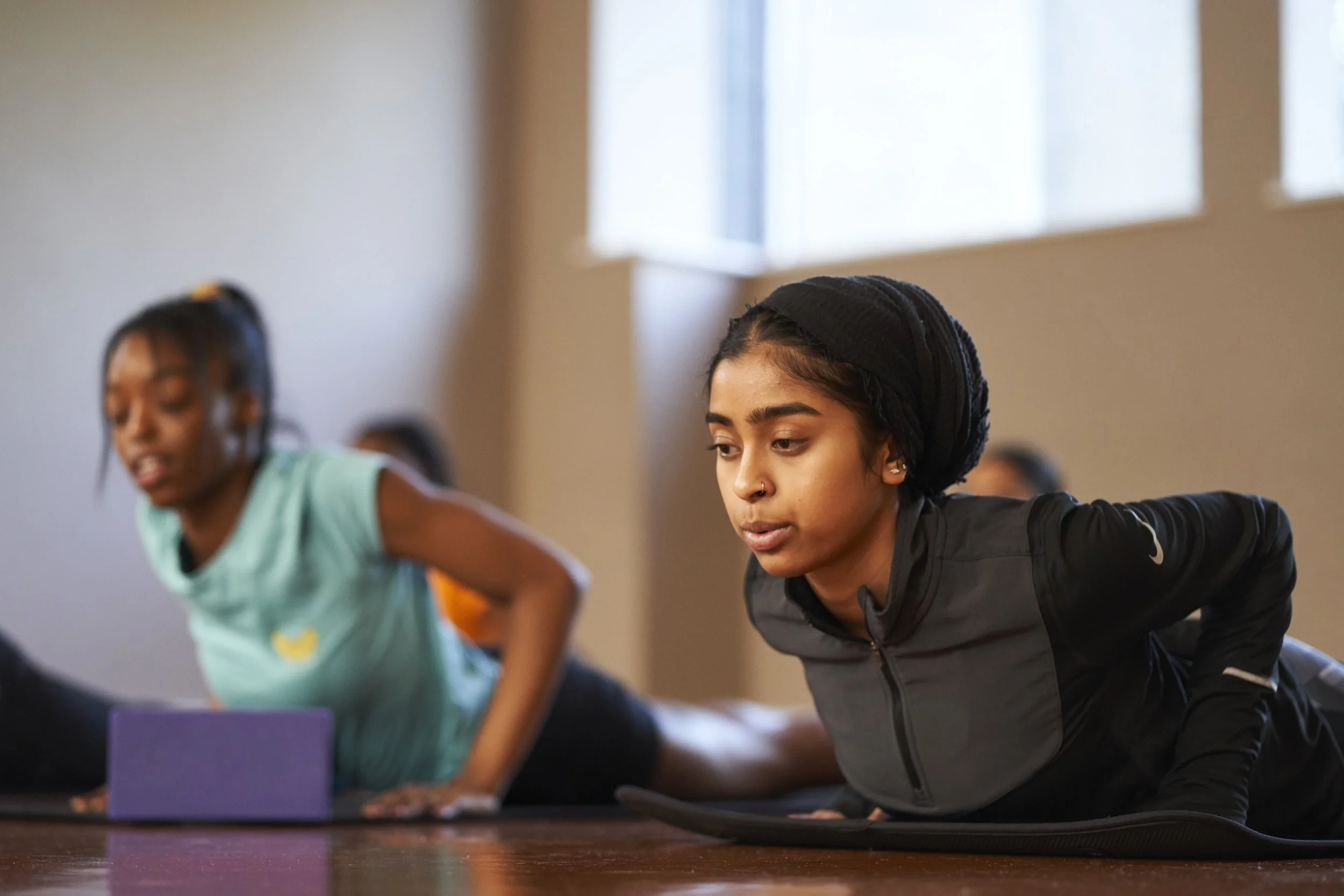
Many of us know that being active is good for our health.
Regular physical activity can improve fitness, boost mood, support better sleep, increase energy levels and help reduce the risk of a range of health conditions. Yet finding the time and motivation to stay active can sometimes feel easier said than done.
Between work, family commitments, household jobs and everyday responsibilities, exercise is often one of the first things to fall off the to do list.
The good news is that being active doesn't have to mean spending hours in the gym every week. Small changes can make a big difference over time.
Why Being Active Matters
Physical activity benefits both our physical and mental wellbeing.
Regular exercise can help:
• Improve heart health
• Build strength and fitness
• Increase energy levels
• Support healthy weight management
• Improve sleep quality
• Reduce stress and anxiety
• Boost confidence and self esteem
• Support long term health as we age
Perhaps most importantly, being active can help us feel better in our day-to-day lives.
Many people find that regular movement helps them manage stress, improve focus and maintain a more positive outlook.
The Biggest Barriers To Exercise
If you've ever struggled to stick to an exercise routine, you're not alone.
Some of the most common barriers include:
Lack of Time
Busy schedules can make it difficult to prioritise exercise. Between work, school runs, appointments and social commitments, finding an extra hour in the day isn't always realistic.
Lack of Confidence
For some people, the thought of joining a gym or attending a fitness class can feel intimidating.
You might worry about not knowing what you're doing or feeling out of place.
The reality is that everyone starts somewhere, and leisure centres welcome people of all ages, abilities and experience levels.
Motivation
Even when we know exercise is good for us, motivation can come and go.
This is completely normal. Many people find that creating a routine and choosing activities they genuinely enjoy makes it easier to stay consistent.
Not Knowing Where To Start
With so much fitness advice online, it can be difficult to know what is right for you. The best place to start is often with something simple, manageable and enjoyable.
Small Steps Count
One of the biggest misconceptions about exercise is that every workout needs to be intense to be worthwhile.
In reality, every bit of movement counts.
Small changes can include:
• Taking a short walk during your lunch break
• Using the stairs instead of the lift
• Attending one fitness class per week
• Going for a swim after work
• Walking or cycling for short journeys
• Spending time being active with family and friends
These small actions can build confidence and create healthy habits that last.
Finding An Activity You Enjoy
Not everyone enjoys the same type of exercise, and that's perfectly fine.
The key is finding something you look forward to doing. Some people enjoy swimming because it provides a full body workout while being gentle on the joints. Others enjoy the motivation and social aspect of group exercise classes. Some prefer strength training, while others enjoy activities such as yoga, badminton or just walking outdoors.
If you've tried one activity and didn't enjoy it, don't assume exercise isn't for you! It may just mean you haven't found the right activity yet.
Building Confidence
Starting something new can feel daunting.
Remember that nobody expects you to be an expert on day one. Most people at the gym, swimming pool or fitness class are focused on their own workout rather than what anyone else is doing.
If you're unsure where to begin, don't be afraid to ask for help. Leisure centre staff are there to support you and can help you find activities that match your goals, interests and ability level.
Make Activity Part Of Your Routine
Consistency is often more important than intensity.
Rather than aiming for perfection, focus on creating a routine that works for your lifestyle.
That might mean:
• Swimming once a week
• Attending a regular fitness class
• Going for a daily walk
• Visiting the gym before work
• Scheduling activity into your calendar
When exercise becomes part of your routine, it often feels much easier to maintain.
Every Journey Starts Somewhere
It's easy to compare ourselves to others, particularly on social media.
However, everyone's fitness journey is different. The person running 10 kilometres today may have started with a short walk around the block.
The confident gym goer may have once felt nervous walking through the doors for the first time. Progress doesn't happen overnight, and that's okay. The important thing is getting started and finding activities that work for you. Whether your goal is to improve your fitness, boost your wellbeing, gain confidence or just to move a little bit more, every step counts.
We're proud to support people of all ages and abilities on their activity journey. Whatever your starting point, we're here to help you find an activity you enjoy and feel confident taking that first step.