
When people think about exercise, they often picture running, cycling or other forms of cardio. While cardiovascular exercise is important, strength training offers a wide range of benefits that can improve your health, fitness and quality of life at any age.
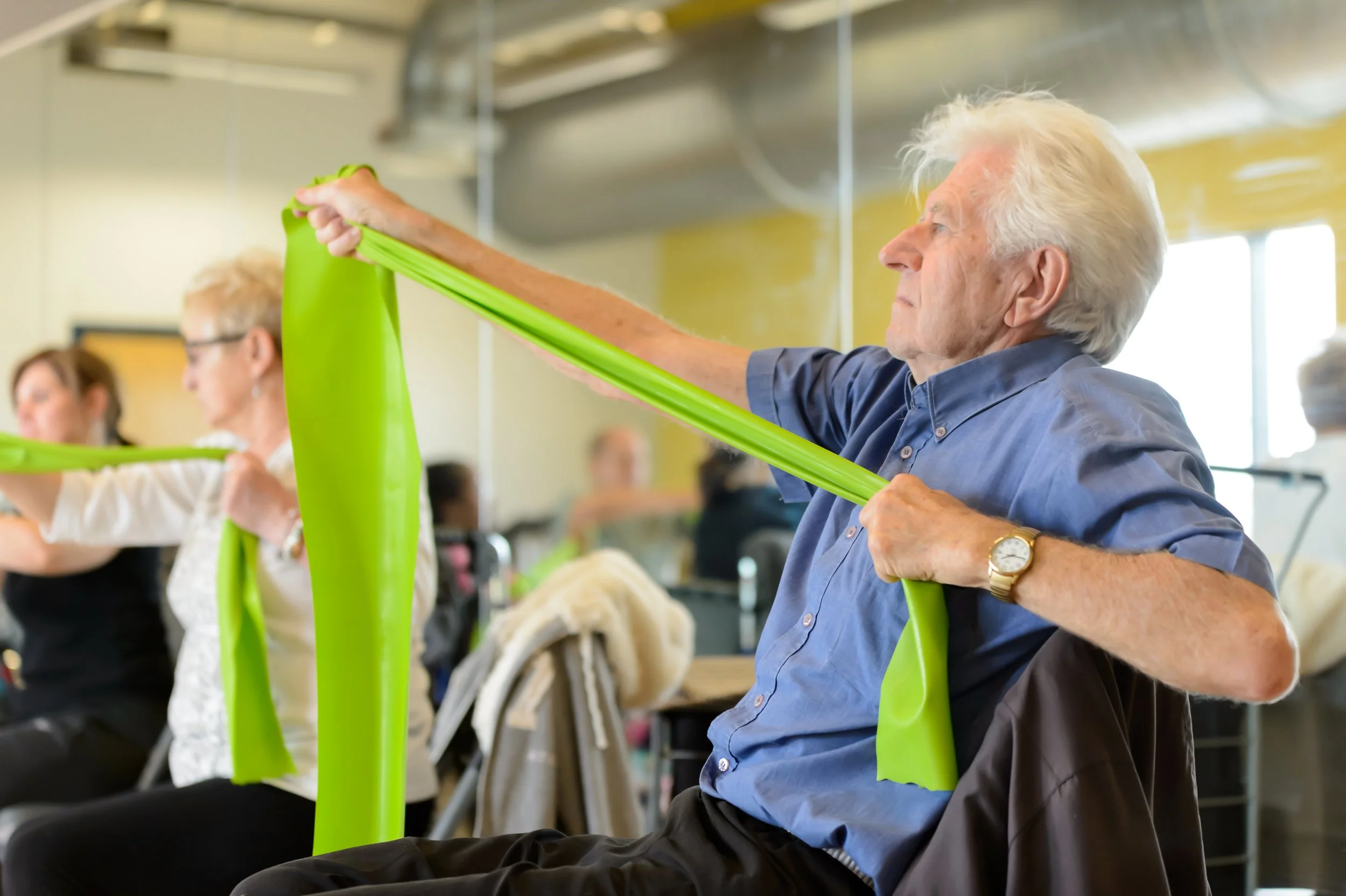
Strength training involves exercises that challenge your muscles against resistance. This could include free weights, resistance bands or even your own body weight.
Whether you’re in your 20s, 40s, 60s or beyond, including strength training into your routine can have a positive impact on both your physical and mental wellbeing.
Builds and Maintains Muscle Mass
As we get older, we naturally begin to lose muscle mass. This process can start as early as our 30s and gradually continues with age.
Regular strength training helps maintain and build muscle, making it easier to stay active, independent and capable of performing everyday tasks. Building muscle also supports better overall physical function and can help you stay stronger for longer.
2. Supports Bone Health
Strength training places controlled stress on your bones, encouraging them to become stronger and denser over time.
This can help reduce the risk of osteoporosis and fractures later in life. Strong bones are important for everyone, but particularly as we age and become more susceptible to falls and injuries.
3. Improves Everyday Activities
Many daily activities rely on strength, whether that's carrying shopping bags, climbing stairs, lifting children, gardening or moving furniture.
By strengthening the muscles used in everyday life, simple tasks often become easier and require less effort. Many people notice improvements in their confidence and physical capability outside of the gym.
4. Helps Protect Joints
There is a common misconception that strength training is bad for your joints. In reality, when performed correctly, it can help support them.
Stronger muscles help stabilise and protect joints, reducing strain during movement. This can be particularly beneficial for people managing conditions such as arthritis or recovering from injury under appropriate guidance.
5. Boosts Metabolism
Muscle tissue requires more energy to maintain than fat tissue. This means that increasing your muscle mass can help your body burn more calories throughout the day, even when you're resting.
While strength training shouldn't be viewed solely as a weight loss tool, it can play an important role in maintaining a healthy body composition and supporting long term weight management.
6. Improves Balance and Stability
Balance becomes increasingly important as we age.
Strength training helps develop the muscles responsible for stability, coordination and posture. Improved balance can help reduce the risk of falls and support greater confidence when moving around.
Exercises that target the legs, core and back can be particularly effective for improving overall stability.
7. Supports Mental Wellbeing
Physical activity is widely recognised for its positive impact on mental health, and strength training is no exception.
Regular exercise can help reduce feelings of stress and anxiety, improve mood and boost self confidence. Many people find that strength training provides a sense of achievement as they gradually become stronger and reach personal goals.
The gym can also provide valuable structure and routine, which can support overall wellbeing.
8. Improves Posture
Modern lifestyles often involve long periods of sitting, whether at work, at home or during travel.
Strength training helps strengthen the muscles that support good posture, particularly in the back, shoulders and core. Better posture can help reduce aches and pains while improving movement and overall comfort throughout the day.
9. Supports Long Term Health
Research has shown that regular strength training may help reduce the risk of a range of health conditions, including heart disease, type 2 diabetes and obesity.
Combined with a balanced diet and an active lifestyle, strength training can play an important role in supporting long term health and maintaining independence as we age.
10. Suitable for All Ages and Fitness Levels
One of the biggest advantages of strength training is that it can be adapted to suit almost anyone.
You don't need to lift heavy weights or spend hours in the gym to experience the benefits. Strength training programmes can be tailored to your individual goals, fitness level and experience.
Whether you're completely new to exercise, returning after a break or looking to improve your athletic performance, there are safe and effective ways to get started.
Getting Started
If you're new to strength training, it's important to begin with exercises that match your current fitness level and focus on good technique.
At Rivers, our gym teams are available to help you get started, show you how to use equipment safely and build a programme that works for your goals.
Strength training isn't just for athletes or bodybuilders! It's one of the most effective forms of exercise for improving overall health, supporting everyday life and maintaining independence at any age.
No matter where you're starting from, it's never too early (or too late!) to enjoy the benefits of becoming stronger.